

From fish to pumpkin spiced lattes: new BBC Ideas film explores the origin of our bond with dogs
25 November 2026
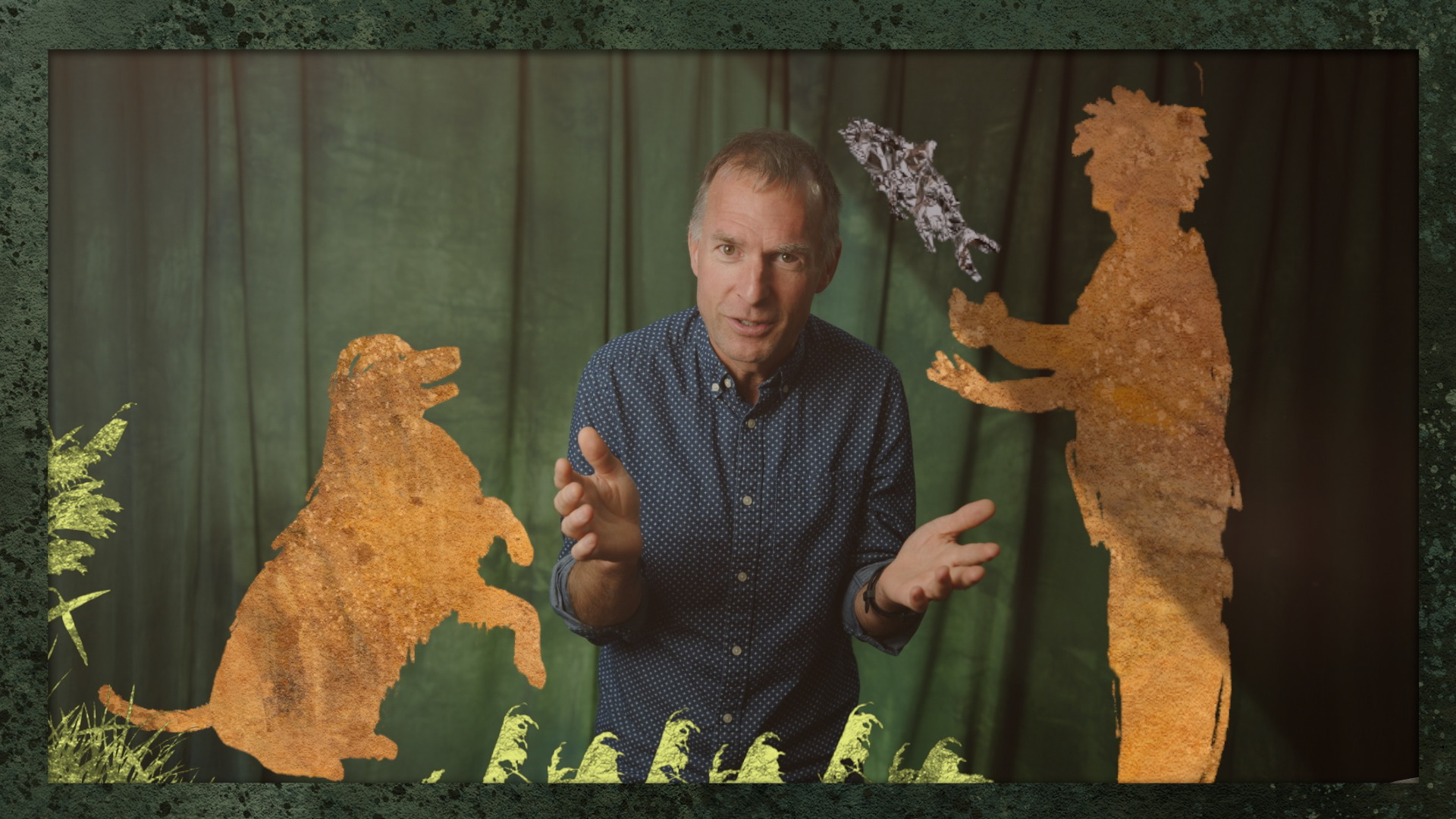
What can discoveries in ancient caves from 16,000 years ago tell us about our beloved pet dogs in 2026?
Our relationship with dogs is deep seated, and recent research suggests that even modern-day expressions of affection – from sharing our beds to treating them to doggie pumpkin spice lattes – are part of a bond that has existed for thousands of years.
How did dogs become our best friends?
In this new short film produced by the Social Sciences Division in partnership with BBC Ideas, Professor Greger Larson, Director of the Palaeogenomics & Bio-Archaeology Research Network (PalaeoBARN), takes us on a five-minute journey through archaeology, genetics and history.
Recently, scientists uncovered the earliest genetic evidence for the existence of dogs – in other words, they’ve put an approximate date on how far back in time we have had a relationship with dogs. Using ancient DNA analysis, researchers identified dogs at multiple archaeological sites dating back between 14,000 and 16,000 years – many thousands of years earlier than previous evidence.
They also found that these ancient dogs, despite being found more than 4,000 km apart, were highly genetically similar. This evidence suggests that dogs spread rapidly across Europe with and between different hunter-gatherer communities.

Professor Greger LarsonWhat a thrill to be able to share this research into the origins of the deep-seated and rewarding relationship between humans and dogs. In a world where divisions and vitriol between people are often emphasised over the connections that unite us, this research shows how empathy between people and dogs can be discovered in the archaeological record, and how this understanding brings people together over our shared love of our closest animal companions.
The research also found a surprisingly close bond between people and their dogs. At Pınarbaşı in Türkiye, the analysis of dietary isotopes suggests dogs were fed fish, while burial practices at sites including Gough’s Cave in Britain, Pınarbaşı and Germany indicate that dogs held cultural significance within prehistoric communities.
The film is based on two research papers, which Professor Larson has co-authored, published earlier this year in Nature.
Dogs were widely distributed across western Eurasia during the Palaeolithic
Genomic history of early dogs in Europe
The partnership between BBC Ideas and Oxford's Social Sciences Division, now releasing its third film series, is aimed at harnessing Oxford's academic research excellence. The five-minute films explore ideas that challenge and inform viewers, engaging new audiences with Social Sciences research in the process.
BBC Ideas produces a variety of thought-provoking short films and videos aimed at a general audience of under-35s that are designed to offer a fresh perspective across a broad range of topics and issues. The films we have produced in partnership can be watched on the BBC Ideas partnership page.